Lighting
The Art of Layered Lighting
How thoughtful lighting transforms an interior from simply functional into warm, atmospheric, and deeply inviting.
Written by
Studio Archive
Published
Topic
Lighting
Read time
5 min read
Topics
Lighting
Good lighting should be felt before it is noticed.
In brief
Layer ambient, task, and accent light instead of relying on one fixture.
Treat daylight as the starting point, then plan artificial light around it.
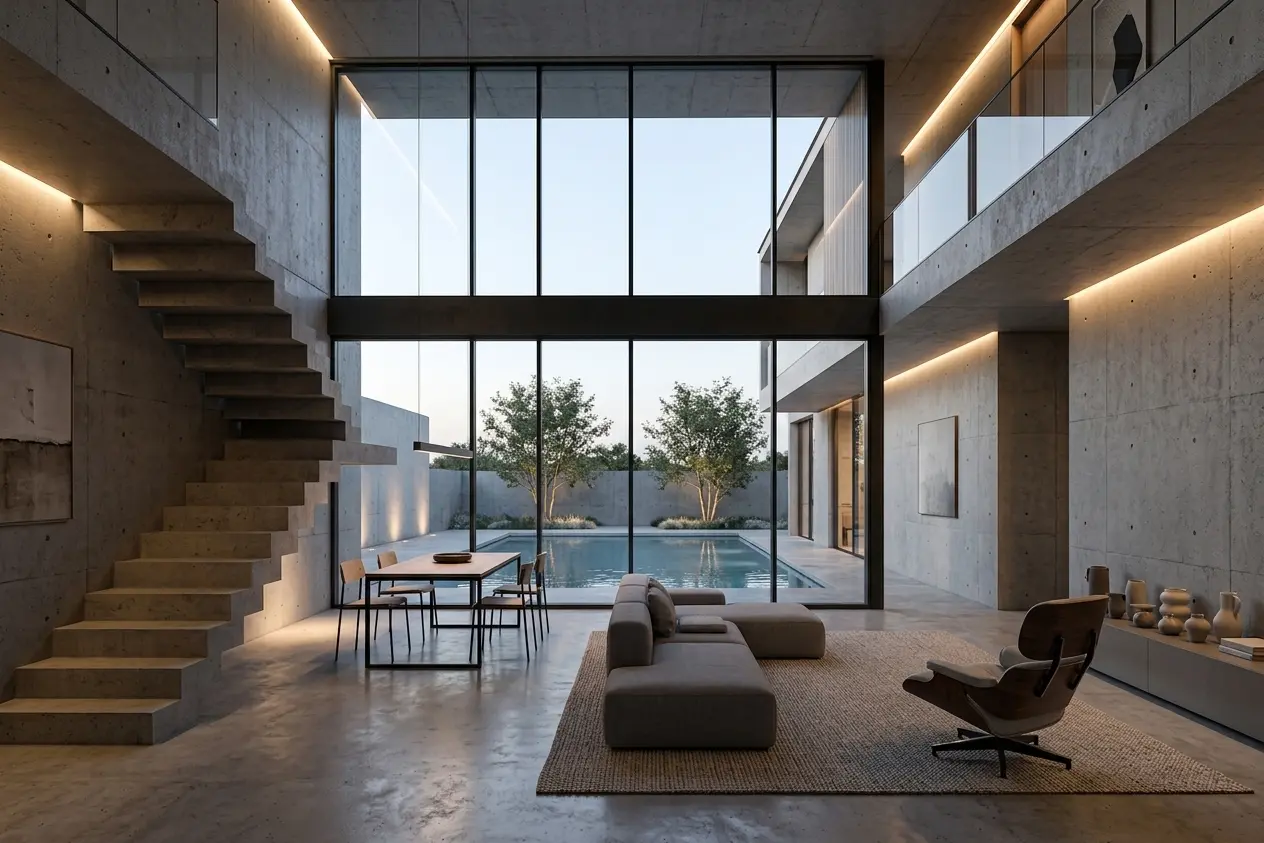
Hide the source where you can, so the glow does the work.
Lighting is one of the quietest ways to change the character of a room. Rather than relying on a single central fixture, considered interiors use several layers of light to create depth, comfort, and atmosphere throughout the day.
Start with the natural light
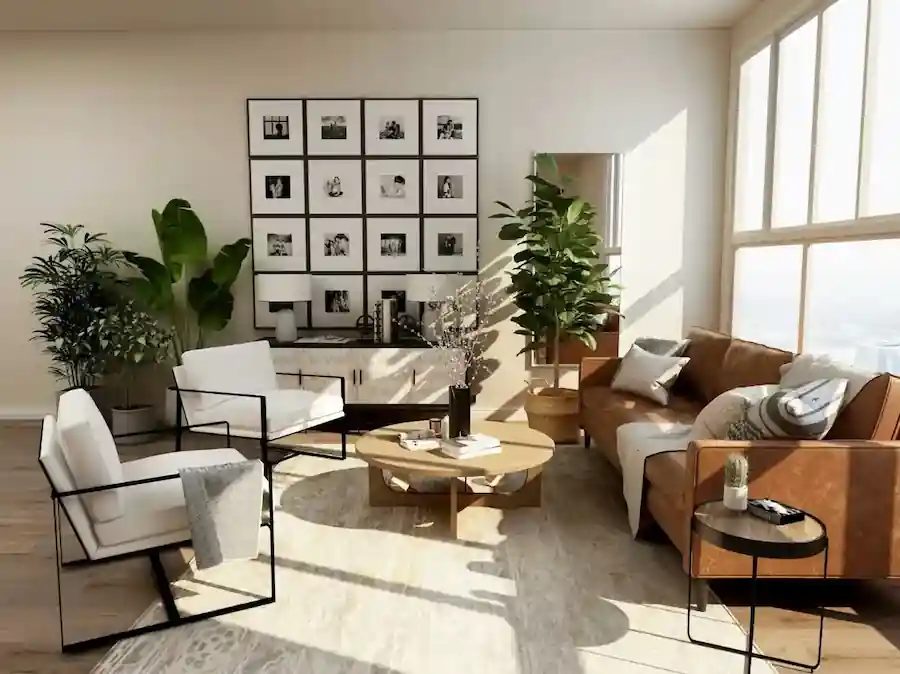
Every lighting plan begins with the way daylight enters the space. Window orientation, curtains, reflective surfaces, and material tones all influence how a room feels from morning to evening. At Arvune, we consider these conditions before adding artificial light.
Build three layers
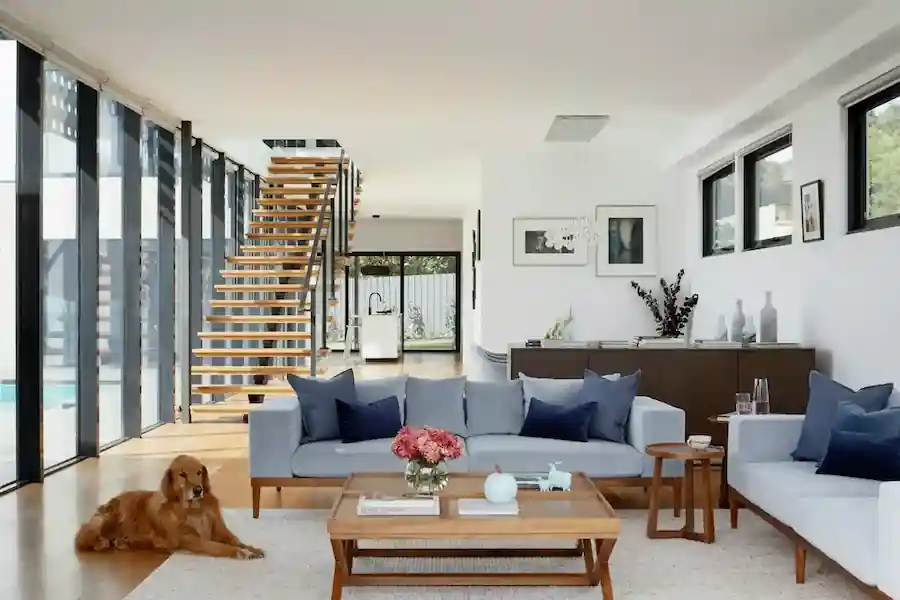
Ambient lighting establishes the overall glow, task lighting supports specific activities, and accent lighting brings attention to artwork, architectural details, or material textures. Together, these layers allow a space to shift naturally between everyday living and evening relaxation.
Let the details disappear
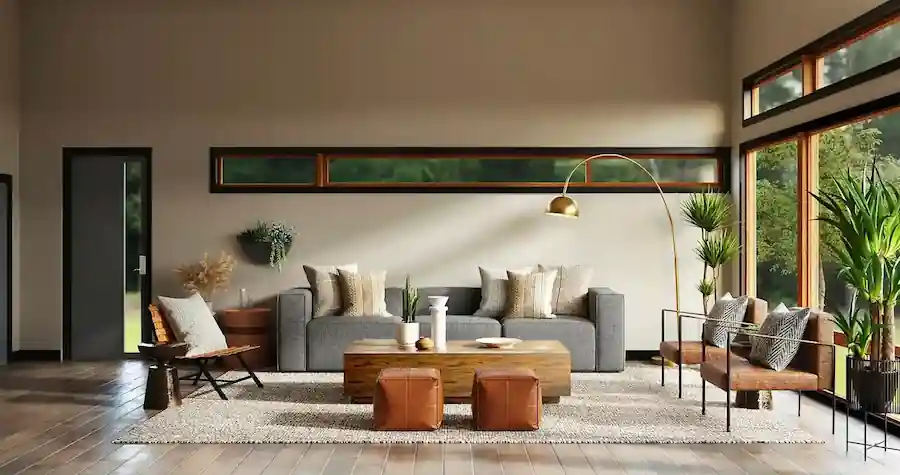
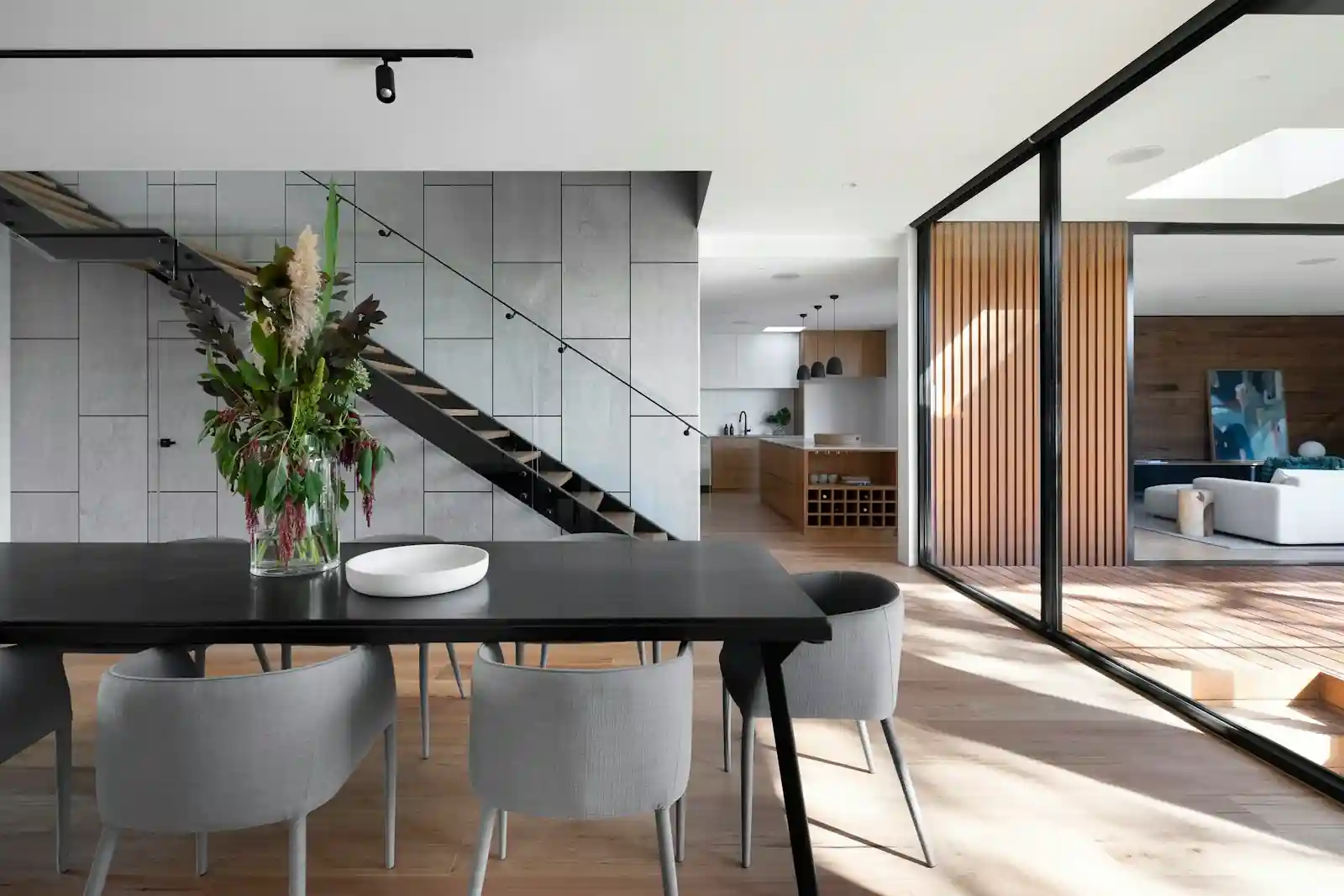
The best lighting often feels effortless. Recessed sources, concealed LED strips, sculptural pendants, and carefully positioned lamps can provide warmth without competing with the architecture. The result is an interior that feels calm, dimensional, and beautifully composed.
Written by
Studio Archive
Notes from the studio on architecture, interiors, and the small details that make a space feel considered.
More from the journal