Living
Designing Small Spaces With Intention
A smaller footprint can feel generous when every element has a clear purpose and relationship to the whole.
Written by
Studio Archive
Published
Topic
Living
Read time
6 min read
Topics
Living
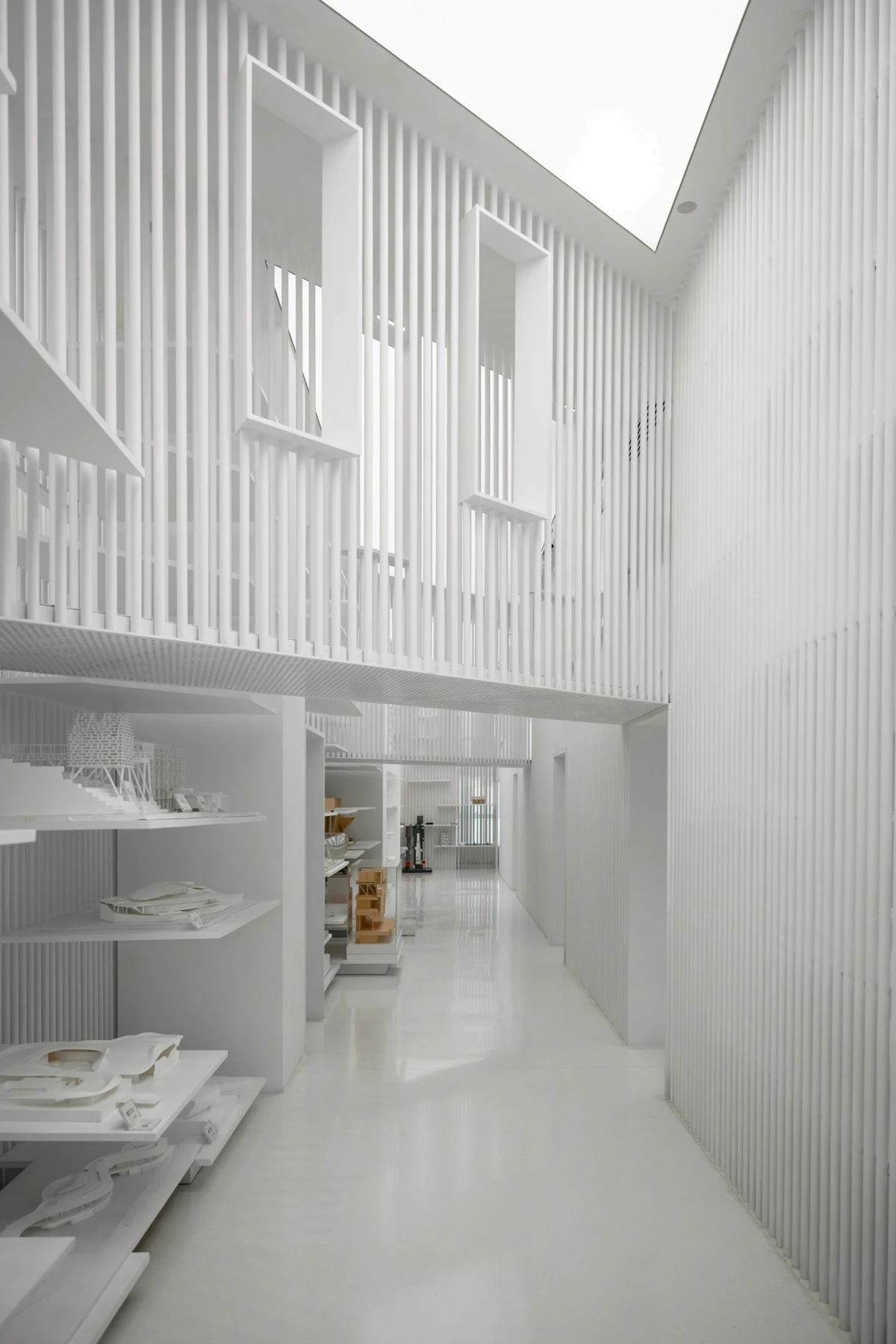
A smaller footprint feels generous when every element has a job.
In brief
Give each piece of joinery more than one purpose.
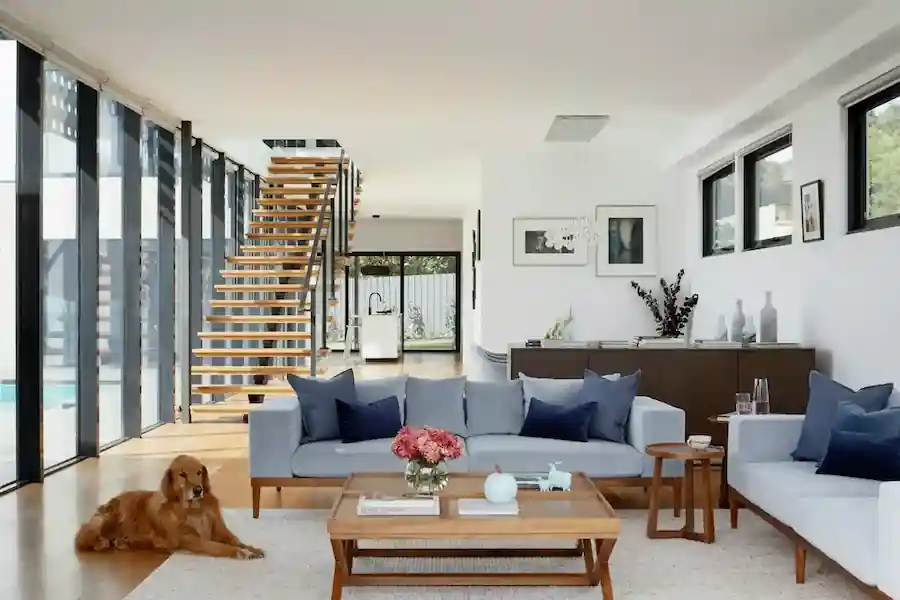
Keep sightlines open so compact rooms read as larger.
Hold to a tight palette so small spaces feel calm, not crowded.
Small interiors are not defined by what they lack. With careful planning, compact rooms can feel open, comfortable, and surprisingly generous. The key is to make every decision serve more than one purpose.
Build into the architecture
Custom joinery can turn unused corners, awkward walls, and circulation zones into valuable storage. Integrated cabinetry also creates visual calm by reducing the number of separate objects competing for attention.
Use one continuous material language
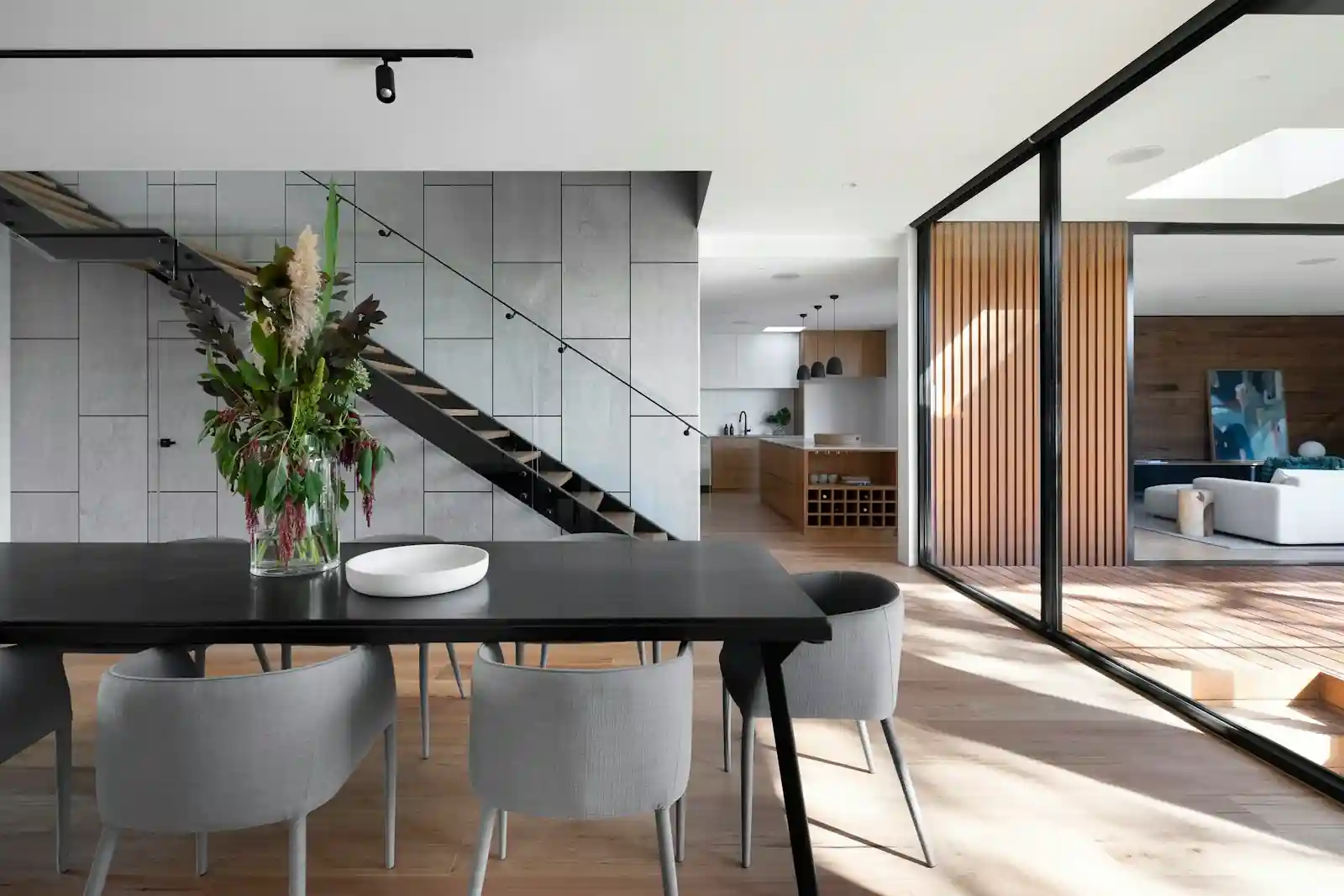
Repeating timber, stone, or flooring across connected areas can make a compact home feel visually larger. A restrained palette creates continuity and allows the eye to move naturally through the space.
Choose furniture with flexibility
Pieces that can move, fold, extend, or serve multiple functions help a room adapt throughout the day. The goal is not to fill every available area, but to create enough space for living comfortably.
Written by
Studio Archive
Notes from the studio on architecture, interiors, and the small details that make a space feel considered.
More from the journal