Hospitality
Creating a Calm Hospitality Experience
The most memorable hospitality interiors balance visual identity with comfort, intuitive movement, and a strong sense of arrival.
Written by
Studio Archive
Published
Topic
Hospitality
Read time
5 min read
Topics
Hospitality
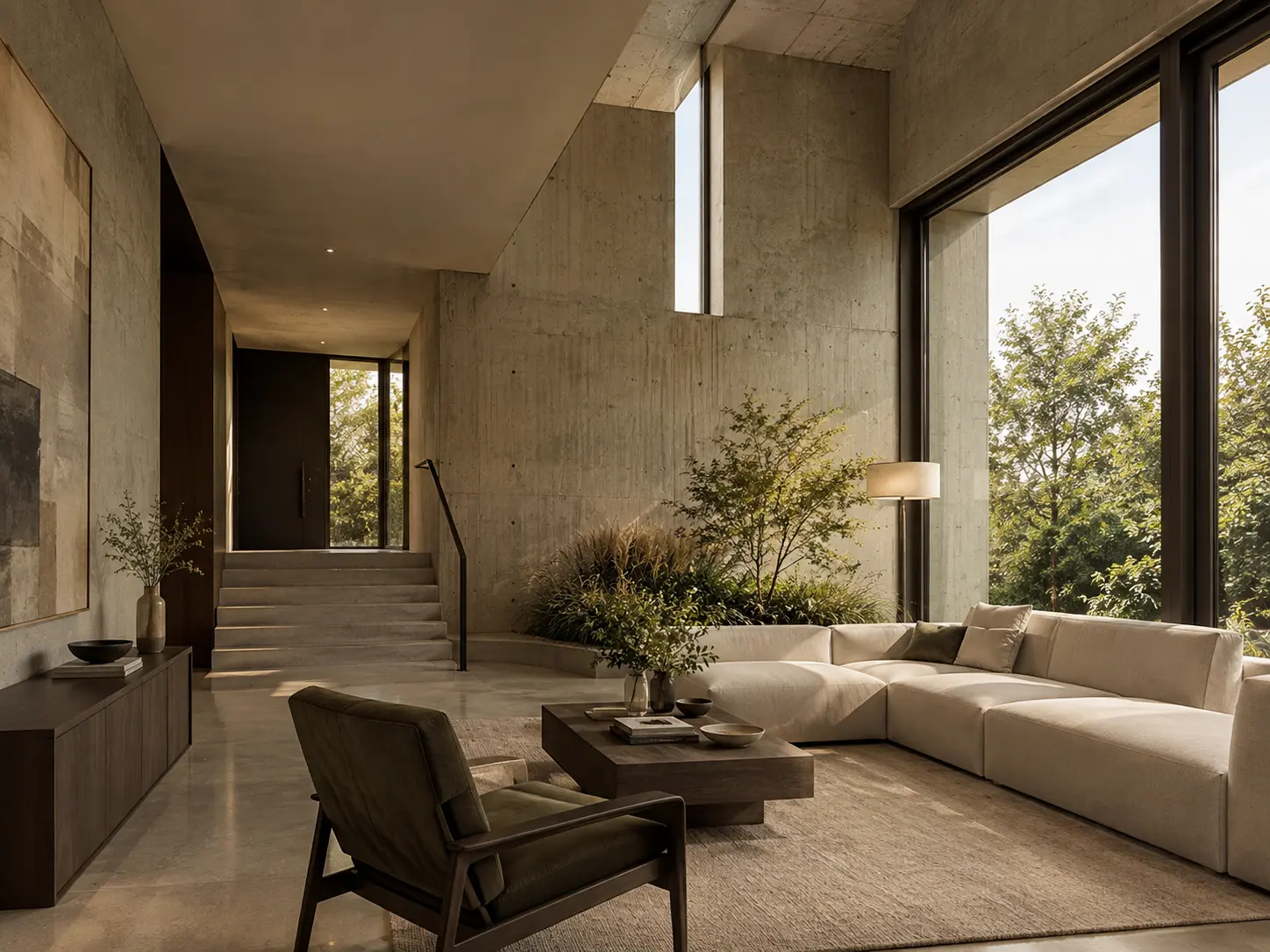
Hospitality begins the moment a guest feels they have arrived somewhere calm.
In brief
Design the arrival sequence first: light, sound, scent, and scale.
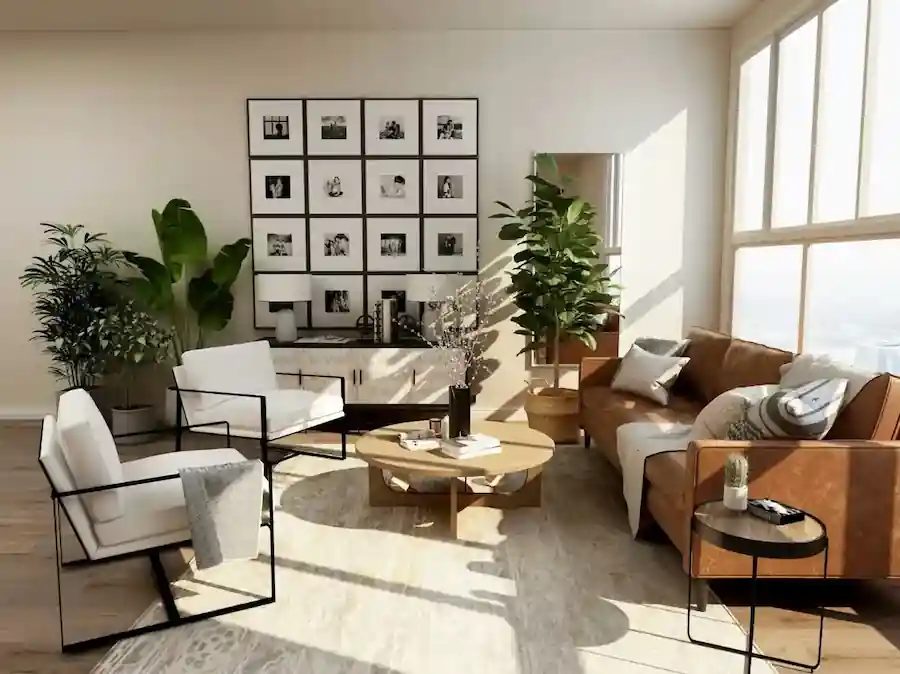
Use curved seating and soft edges to slow people down.
Let natural stone and greenery carry the identity, not signage.
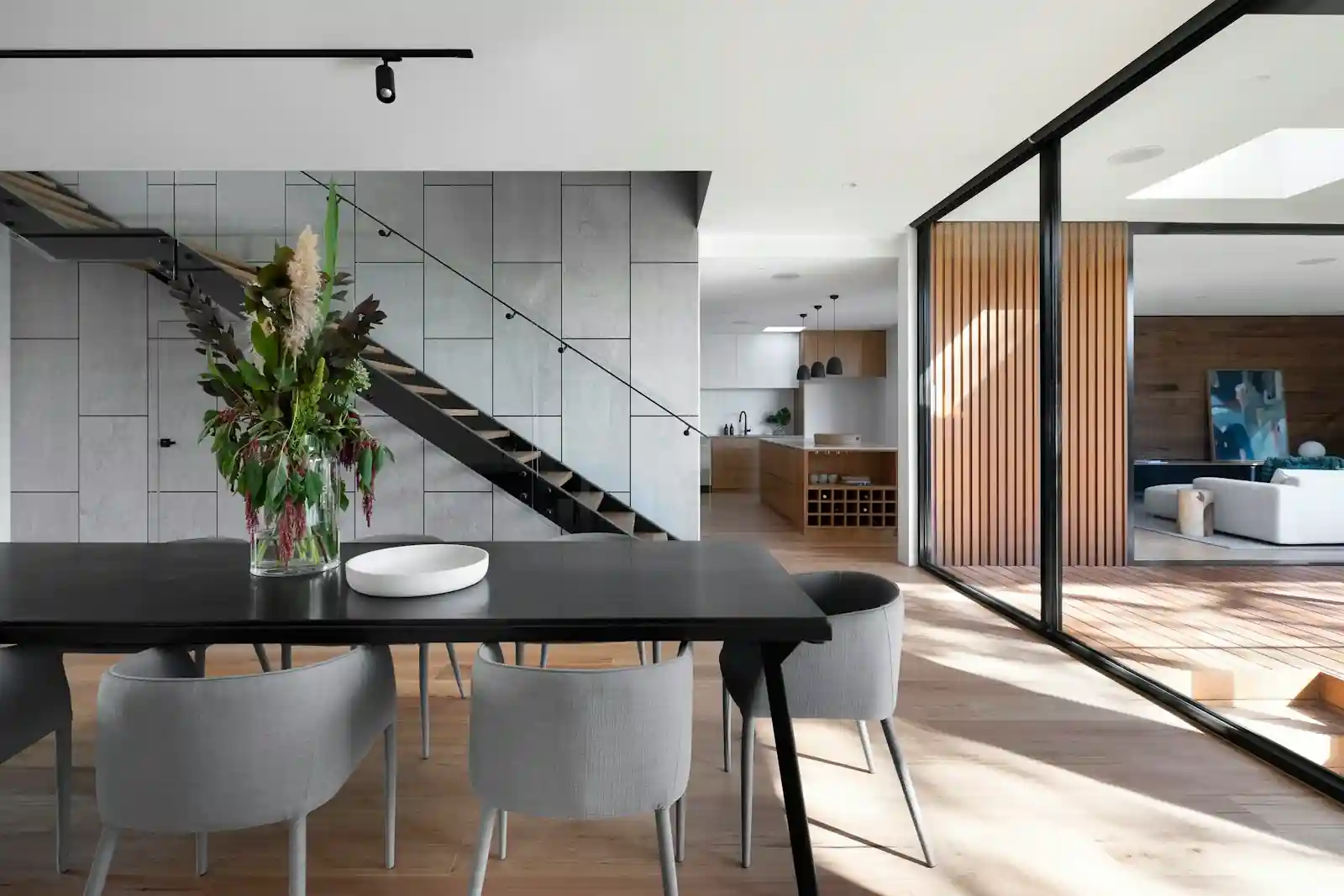
Hospitality design is about more than creating a beautiful room. It is about shaping the experience of arrival, movement, pause, conversation, and departure. Every transition can influence how a guest remembers a place.
Create a sense of arrival
Lighting, material changes, ceiling height, and carefully framed views can establish a distinct moment as guests enter. A strong arrival should feel intentional without becoming theatrical.
Design for different rhythms
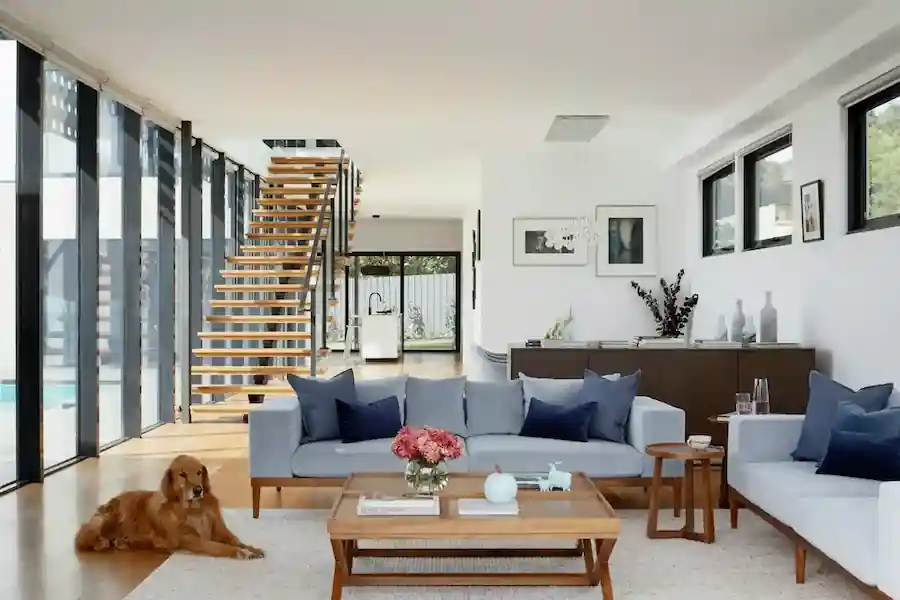
A successful lounge or restaurant needs spaces for conversation, privacy, gathering, and quiet observation. Varied seating arrangements and subtle changes in lighting help guests choose how they want to experience the environment.
Make comfort part of the identity
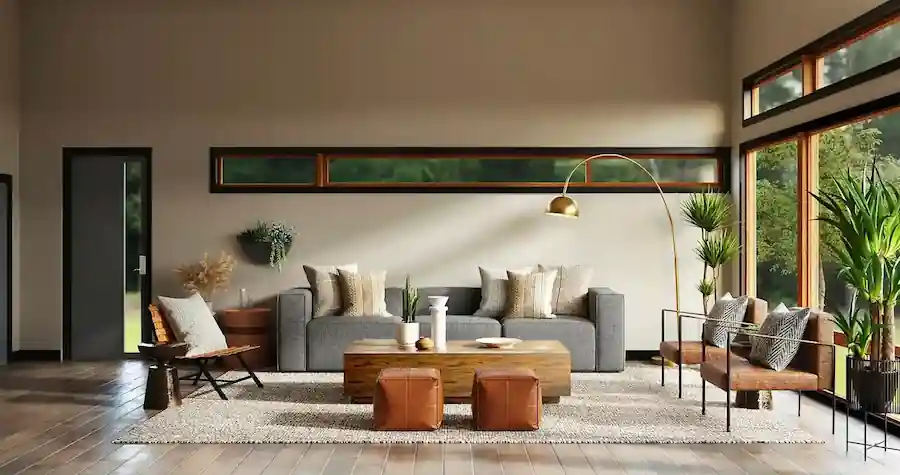
Soft upholstery, tactile materials, acoustic control, and generous circulation contribute as much to a hospitality experience as visual styling. Arvune considers these practical details as essential parts of the design language.
Written by
Studio Archive
Notes from the studio on architecture, interiors, and the small details that make a space feel considered.
More from the journal